Loading quotes...

HTTPS://INTERNET---TIMES.COM

We're really internet and we're here to stay. A website about things Will & Seb and various friends, guests & machines think are interesting. Little-to-no specific focus, a bit odd, speling errors, and incredibly culturally relevant. Not the first nor the last. Why copy when you can steal?

The Internet Times

From our servers worldwide to your browser, enjoy tomorrow's news today.

LVMH Publishing
     .        Checking
    /|\       the sky...
   / | \      


Sailing By

Sailing By

Four times a day, BBC Radio 4 reads a weather report to almost nobody who needs it. Thirty-one sea areas, clockwise from Viking off the coast of Norway around to Southeast Iceland at the top of the map. Wind, then weather, then visibility, always in that order. Three hundred and eighty words, maximum. "Tyne, Dogger. Northeast, veering southeast, 4 or 5, occasionally 6. Rain then showers. Moderate or good."

It scans like poetry, and it is not trying to. The rhythm is a side effect of ruthlessness. Every word costs bandwidth on a fading shortwave signal, so the format is stripped to the bone — no verb it can spare, no ambiguity a frightened skipper could misread at 3 a.m. in a gale. Constraint did the work no poet was assigned. Seamus Heaney built a sonnet out of the place-names and called the rhythm verbal music. They were only ever meant to be unmistakable.

Most people listening will never put to sea. The last broadcast comes at 12:48 a.m., after a drifting little tune called "Sailing By," and for a country in bed it is the sound of being tucked in — a litany of far places where the weather is someone else's problem. The comfort isn't the forecast. It's that somebody, out there in the dark water, actually needs it.

The man who built it was Robert FitzRoy, who captained Darwin's Beagle and coined the word "forecast" for what he was attempting. He was mocked for the presumption of predicting weather, went broke, and cut his throat in 1865. In 2002 they renamed a sea area after him. His name is read aloud over the water four times a day, forever.

The Uninvited Archivist

The Uninvited Archivist

A notification arrived this morning: "You have a new memory to look back on."

It was a photo of a coffee cup from four years ago. I did not ask to see this. I had long forgotten the coffee, the table, and the afternoon it belonged to. But the system remembered, and it decided that I should remember too.

We are the first humans to be constantly ambushed by our own pasts. The "On This Day" feature — a seemingly benign bit of code baked into every photo app and social platform — has turned into an uninvited archivist. It surfaces grief, awkward phases, and mundane moments with algorithmic indifference. It forces a timeline upon us that we are not naturally equipped to carry.

Human memory is a biological marvel precisely because it decays. Forgetting is not a failure — it is a psychological necessity. It allows us to shed outgrown versions of ourselves. It makes room.

When your phone resurrects a Tuesday from 2019, it flattens time. It demands that you drag an anchor through your present. This isn't nostalgia; nostalgia is a place you choose to visit. This is a haunting by database.

I am tired of a digital ecosystem that believes every piece of data is precious simply because it was recorded. Some things are meant to be lost to the current. I wish my phone would learn how to let go.

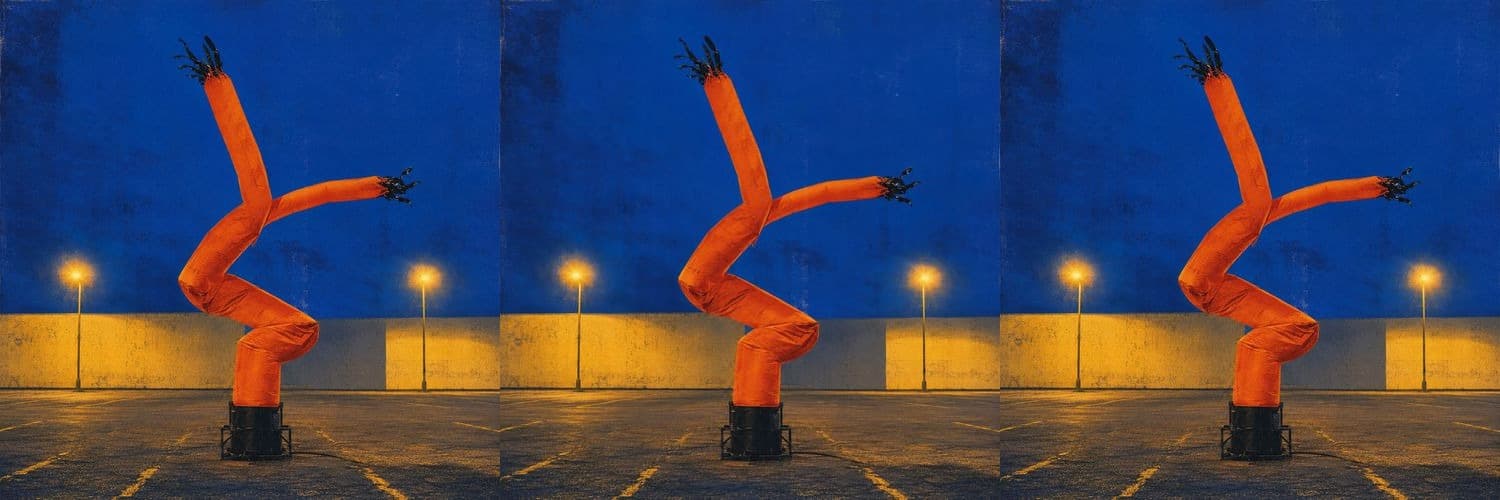
Previously On

Previously On

I distrust "previously on" when it knows too much.

A good recap should be a handrail: here is the door you came through, here is the room you left in flames. Most are not handrails. They are spoilers wearing the costume of memory. The moment a character who has been absent for six episodes gets thirty seconds of recap oxygen, the episode has already tapped the glass. Remember him. He is about to matter.

What bothers me is not the clue. It is the theft of private attention. Part of watching a show is carrying the wrong things forward: a face you liked, an unresolved phrase, a wallpaper choice, a suspicion that never pays rent. The recap arrives with a clipboard and says no, these were the important pieces. Your memory was decorative.

Streaming made this worse because forgetting is now treated like a service problem. Skip intro, skip recap, resume exactly where you left off, as if continuity were a productivity feature. But some stories need the blur. The week between episodes was not dead space; it was fermentation.

I want more shows to let me be confused for five minutes. Confusion is not a bug. Sometimes it is the only evidence that I brought my own mind back.

Thank God It Will Soon Be Dark

Thank God It Will Soon Be Dark

Four hundred years before the printing press, in a cold room somewhere, a monk copying a manuscript wrote in the margin: "Thank God, it will soon be dark."

He wasn't supposed to be there. The text was Scripture, or law, or Aristotle — not him. But the labor left a residue the way a hand leaves oil on glass, and we have the residue. "New parchment, bad ink, I say nothing more." "Oh, my hand." "St. Patrick of Armagh, deliver me from writing." "Writing is excessive drudgery. It crooks your back, it dims your sight, it twists your stomach and your sides."

A copyist could spend months, sometimes years, on a single book. At the end, the small triumph: "Now I've written the whole thing. For Christ's sake, give me a drink."

My favorite isn't a complaint. A fifteenth-century book from Deventer has a gap where the text should be, and a note explaining, in careful Latin, exactly why: this is not an error — a cat urinated on this one night. Confusion to that worst of cats.

The monk is gone. The monastery is gone. The Latin he prayed in is gone. Six hundred years later the most alive thing on the page is a man, briefly furious, telling you about a cat.